Five Things Borrowers Get Wrong About Debt-to-Income Ratio When Applying for a Personal Loan

Lenders approve DTI ratios up to 50%—even 75% online. Find out which hidden expenses silently tank your application and which assumptions cost you the most.

Lenders approve DTI ratios up to 50%—even 75% online. Find out which hidden expenses silently tank your application and which assumptions cost you the most.

Most digital lender soft pull offers range $25,000–$50,000, but lenders build in a 20–30% safety buffer. See how to maximize your prequalified amount.
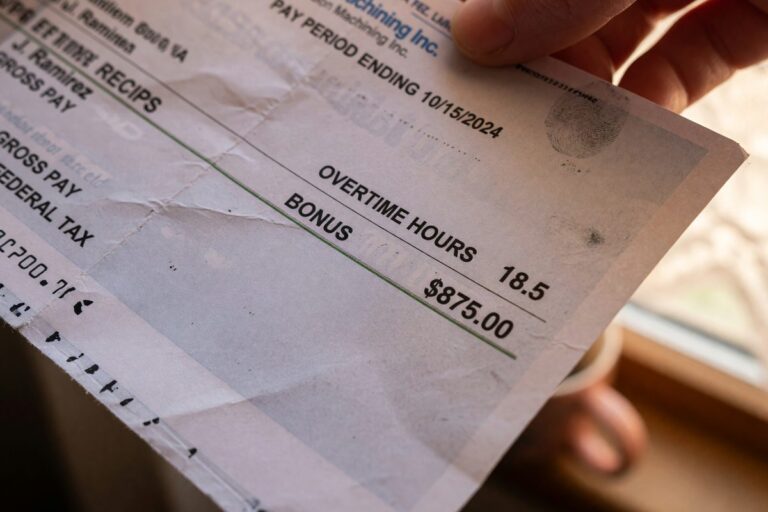
Most lenders require 2 years of documented overtime history before counting it toward your mortgage qualification. Here's how it affects your loan size and rate.

Learn about debt to income digital lending. Discover how your DTI ratio affects online loan approvals and what you can do to improve your chances.

A co-signer with a score below 670 or a DTI over 43% can trigger higher rates or outright denial. Here's what to do instead without the shared liability.

Lenders want your DTI below 43%—tools like Mint, YNAB, and Copilot Money connect via open banking in under five minutes to help you hit that target faster.

A DTI above 40% can raise your mortgage or personal loan rate by 1–3 percentage points and push you into subprime terms. Here's exactly how lenders price that risk.

Learn about debt to income ratio lending. Discover why lenders scrutinize your DTI more than you expect and how it shapes your borrowing power.

A DTI above 43% can add 0.5%–1.5% to your mortgage rate — or get you denied outright. Here's why lenders weight cash flow over credit history.

Seniors can get approved for digital loans on fixed income in 15–30 minutes by documenting all income sources and using soft prequalification tools. The ECOA protects you from credit denial based on Social Security income.