Fixed vs Adjustable Rate Mortgage for a Starter Home: Which Costs Less Over 5 Years?
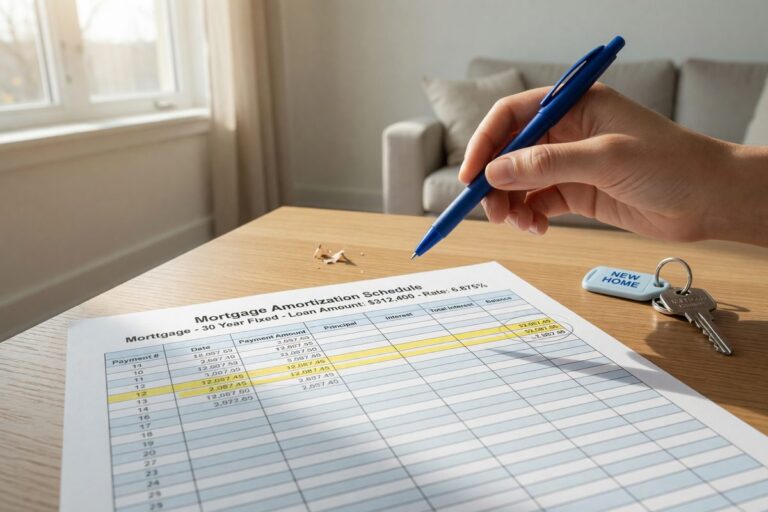
A 5/1 ARM saves roughly $8,400–$9,000 over five years compared to a 30-year fixed on a $375K starter home—but only if you move or refinance before rates adjust.

A 5/1 ARM saves roughly $8,400–$9,000 over five years compared to a 30-year fixed on a $375K starter home—but only if you move or refinance before rates adjust.

With the 30-year fixed rate near 6.8% and forecasters predicting only a 0.25–0.50% drop by year-end, waiting may cost you equity and expose you to rising home prices.

Learn about FHA vs conventional rates. Compare total loan costs, MIP vs PMI, and find out which mortgage path saves you more money over time.

One point costs 1% of your loan and cuts your rate by ~0.25% — but you'll need 5–7 years to break even. Here's how to tell if buying down your rate is worth it.

Homebuyers commonly lose tens of thousands by comparing rates wrong. Avoid focusing on advertised rates, skipping rate locks, and missing the 14–45 day shopping window.

Switch to income-driven repayment, boost your credit above 720, and shop multiple lenders. First-time buyers with student loans can qualify for competitive mortgage rates.

Only 21% of homebuyers are first-timers. Personal loans can fill closing-cost gaps, but state down payment assistance and specific lenders like SoFi and LightStream offer better terms.

Divide closing costs by monthly savings to find your break-even. Stay long-term? Take the rate. Moving in 4–5 years? Take the credit.

Learn about single income mortgage rates. Discover proven strategies to strengthen your application and secure a competitive rate on one income.

First-time buyers can cut interest rates by 0.25–0.375% through credit score optimization, loan program selection, and comparing lender quotes—without a large down payment.