Open Banking vs Fintech Lending Apps: Which Gives You Better Loan Terms?

Open banking lenders can offer APRs as low as 7.99% by reading your live cash flow—vs. the 21%+ average from standard apps. Here's how to use that gap to your advantage.


Open banking lenders can offer APRs as low as 7.99% by reading your live cash flow—vs. the 21%+ average from standard apps. Here's how to use that gap to your advantage.

Upstart, OppFi, and Avant approve scores as low as 300—but APRs can reach 160%. Here's how to compare bad-credit lending apps before you commit.
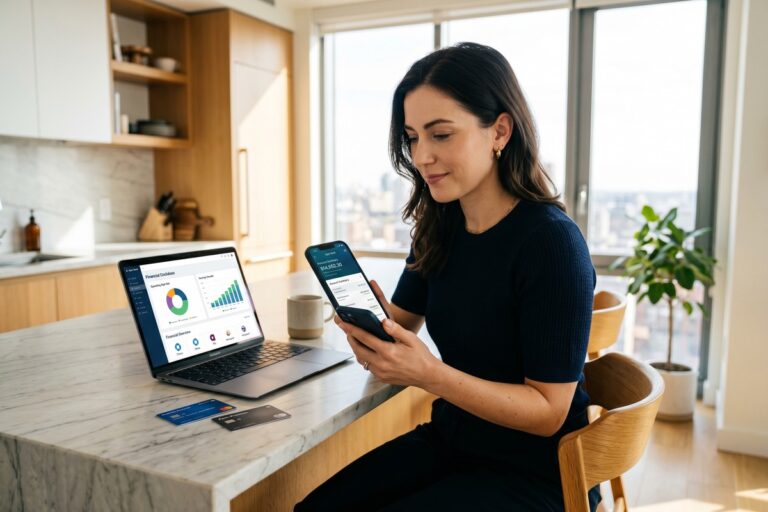
The CFPB's Section 1033 rule now gives 100M+ U.S. borrowers access to faster approvals and income-based rates. Here's what that means for your next loan.
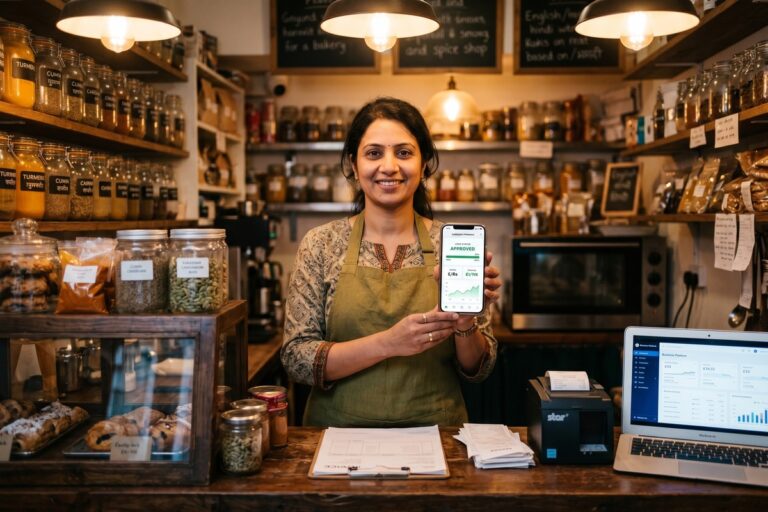
Immigrant-owned businesses generate $1.3 trillion annually yet get turned away by banks over missing credit history. Here's how fintech is changing that.

Digital banks can approve personal loans in 24 hours; P2P platforms take 3–5 days but accept borrowers banks turn down. Here's how to choose.

Five buried charges—including prepayment penalties and ACH fees—can push your loan's real APR 3–8 points above the advertised rate. Here's what to look for before you sign.

Fintech microloans run $500–$50,000 with funding in 24 hours, but APRs can hit 99%. Here's how gig workers qualify and when borrowing actually makes sense.

The embedded finance market is on track to exceed $7 trillion by 2026 — and small retailers are accessing working capital in minutes through the platforms they already use.

Loans from $5,000 to $500,000 approved in 24–72 hours, no SSN required. See how fintech platforms use cash flow data to fund immigrant-owned businesses.

A single mother covered a $3,200 medical bill in under 48 hours using a fintech lender—no bank visit required. Here's how AI-powered underwriting made it possible.