5 Alternatives to Traditional Personal Loans That Offer Lower Interest Rates in 2026

Home equity loans hit 7.43%-8.08% while personal loans average 17.36%. Compare five cheaper borrowing options, including 0% credit cards and HELOCs.

Home equity loans hit 7.43%-8.08% while personal loans average 17.36%. Compare five cheaper borrowing options, including 0% credit cards and HELOCs.
Repeat homebuyers averaged 6.35% mortgage rates versus 6.44% for first-timers. Credit scores and down payment size, not special discounts, drive the gap.

Teachers and government workers can stack discounts to cut loan rates by 0.5–1.25% below national averages. Here's how to access them without calling traditional banks.
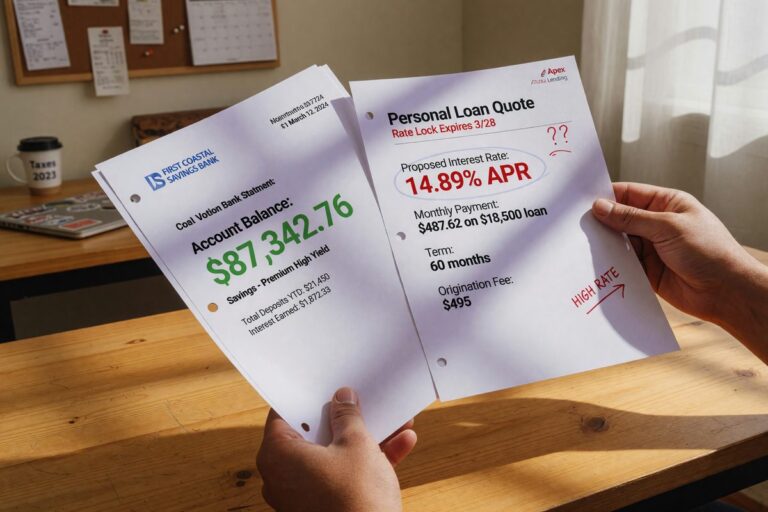
A $75,000 savings account won't lower your rate if your credit score is 640. Lenders ignore cash reserves entirely—here's what actually drives loan pricing.

Fixed-rate loans beat step-rate structures when rates are falling. See why scheduled rate increases can wipe out your savings exactly when refinancing looks best.
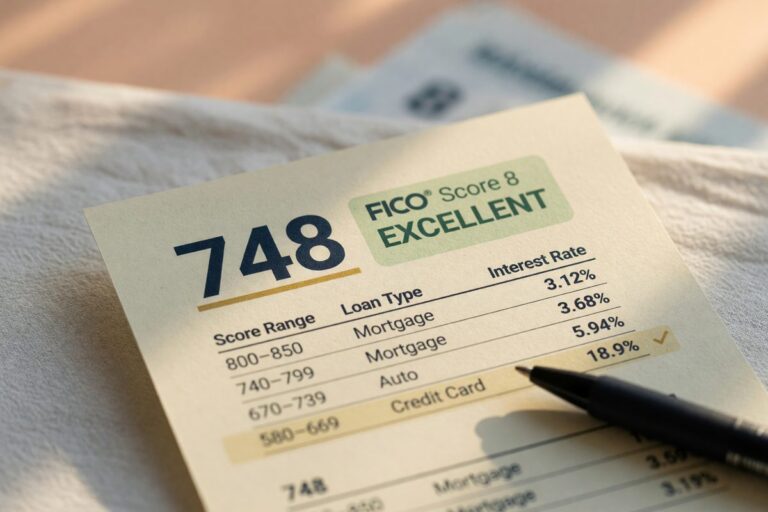
A 20-point credit score jump can save thousands on mortgages and auto loans—but only if it crosses a pricing tier. See where the payoff peaks and where it flattens.
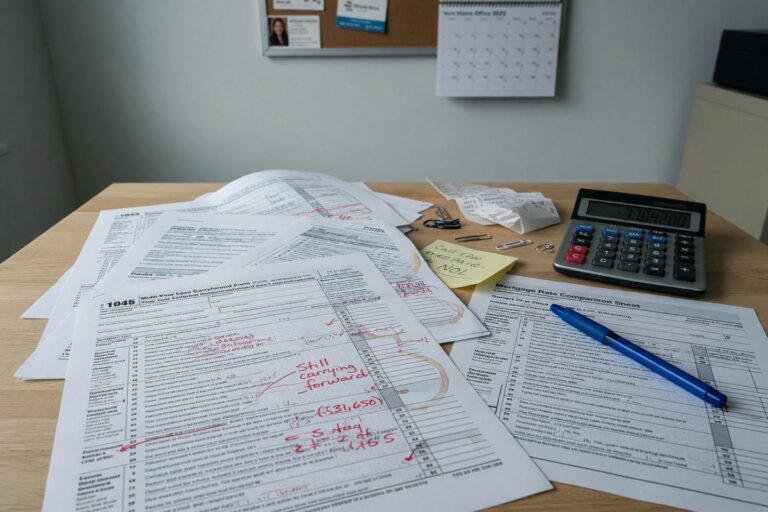
Self-employed borrowers with two years of loss carry-forwards don't automatically face rate premiums—underwriters can add back non-recurring NOL losses under Fannie Mae guidelines, preserving conventional pricing.
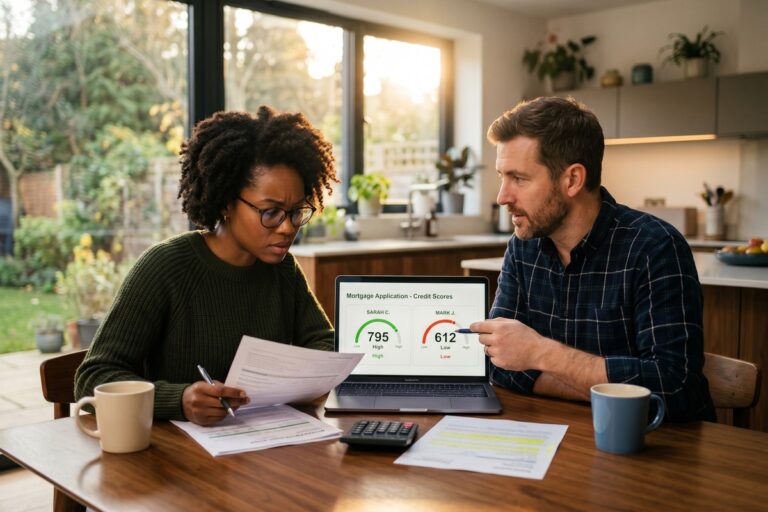
A 660 vs. 760 credit score gap on a $378,000 joint mortgage can cost over $56,000 extra in interest. Here's how lenders set the rate and when applying solo makes sense.

Gig workers paid an 18.5% effective interest rate on personal loans in 2026, compared to 13.8% for salaried borrowers. Income volatility adds a 5.7 percentage point premium regardless of credit score.

Jumbo loan rates now sit at 7.10%–7.35%—just 0.15–0.25 points above conforming loans—after the Fed held rates steady. Here's what that narrow spread means for high-balance borrowers in 2026.