Should You Lock a Mortgage Rate in July 2026 or Wait for a Potential Drop?
With 30-year fixed rates at 6.55% in July 2026, experts predict little room for further drops. Decide whether to lock or wait based on your closing timeline.

With 30-year fixed rates at 6.55% in July 2026, experts predict little room for further drops. Decide whether to lock or wait based on your closing timeline.
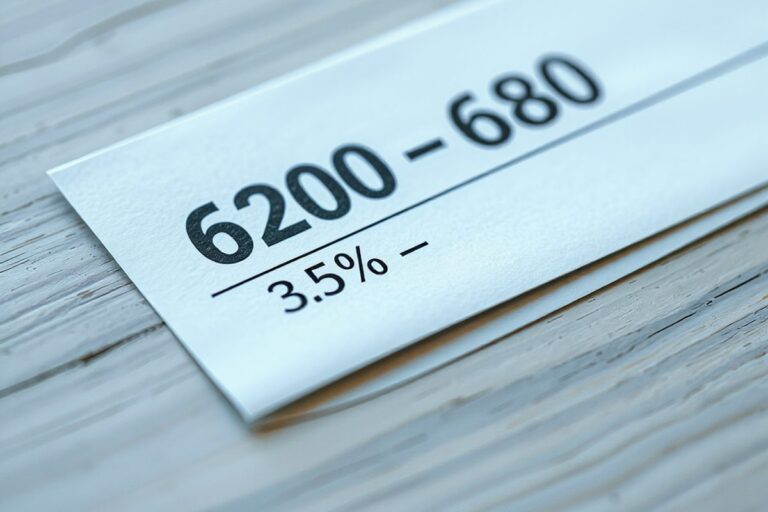
Borrowers with a 620 FICO score pay 7.41% on mortgages, while those at 760+ get 6.66%. See how credit scores directly affect your rate in July 2026 market data.

High-interest credit card debt at 20%+ costs more than a larger down payment saves. Paying it off first can boost your credit score and cut your mortgage rate by 0.25–0.50 percentage points.
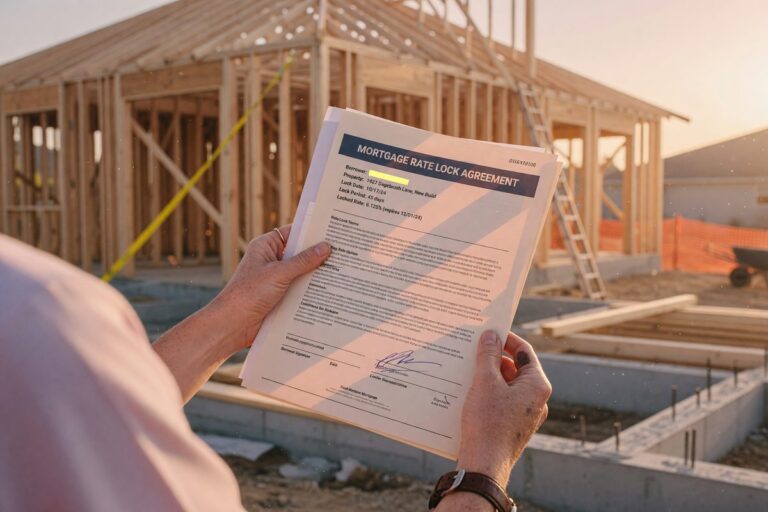
Repeat builders often wait too long to lock rates. Lock at contract signing with a 270–360 day extension—the 0.25%–0.75% fee beats rate risk mid-build.
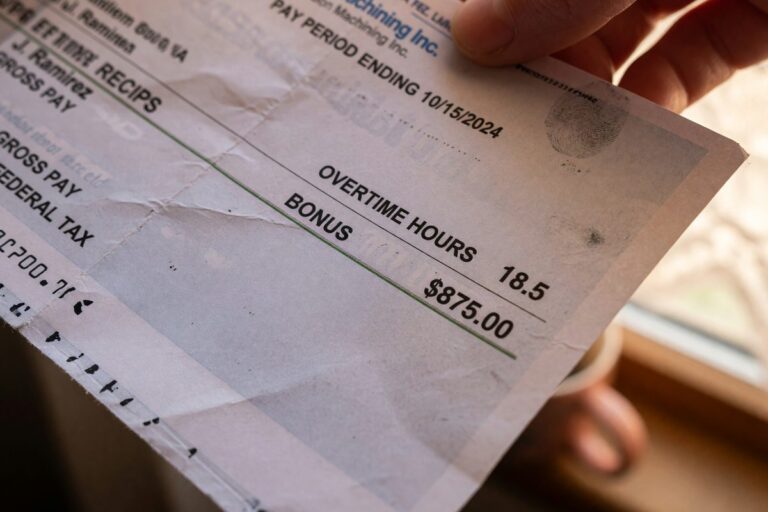
Most lenders require 2 years of documented overtime history before counting it toward your mortgage qualification. Here's how it affects your loan size and rate.
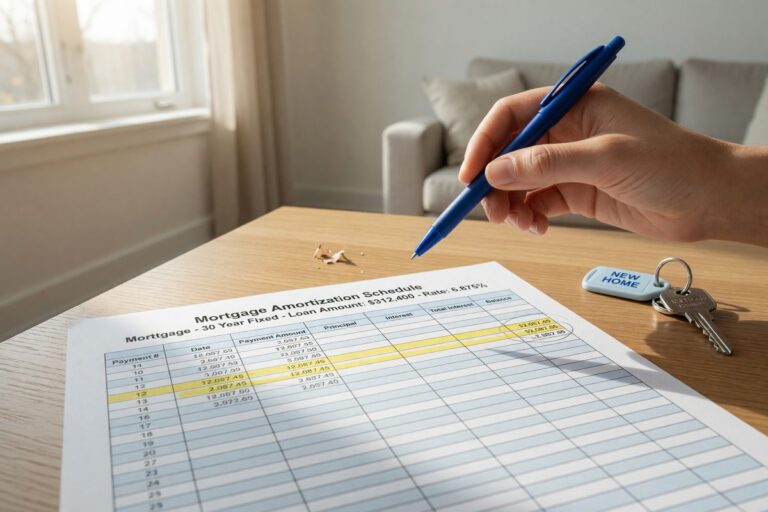
A 5/1 ARM saves roughly $8,400–$9,000 over five years compared to a 30-year fixed on a $375K starter home—but only if you move or refinance before rates adjust.
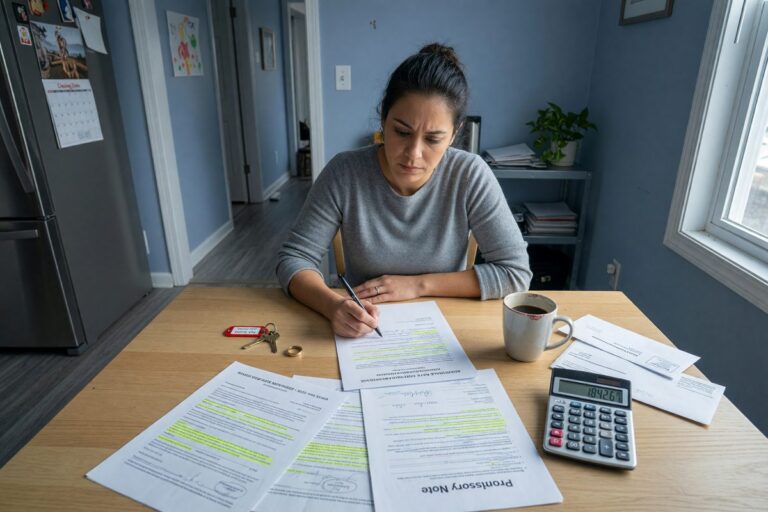
Refinancing a $400k mortgage from 3% to 6.5% costs $700+ extra per month. Here's when assumption saves money and when refinancing makes sense in divorce.
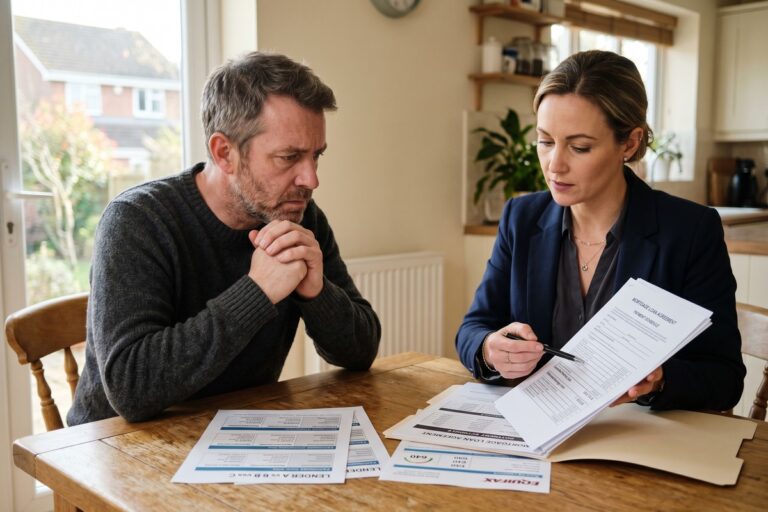
A short sale can drop your credit score 100–150 points and trigger a 2–7 year wait for a conventional loan. Here's how those two penalties stack to raise your rate.

Your building can raise your rate by a full percentage point or push you into a portfolio loan at 7–8.5%. Here's how high-rise condo mortgage rules actually work.

Self-employed borrowers in California face a 0.25-1.5% rate gap in 2026. Conventional loans offer better rates than alternative documentation programs.