Why Fintech Loan Apps Are Now Accepting Non-U.S. Bank Accounts
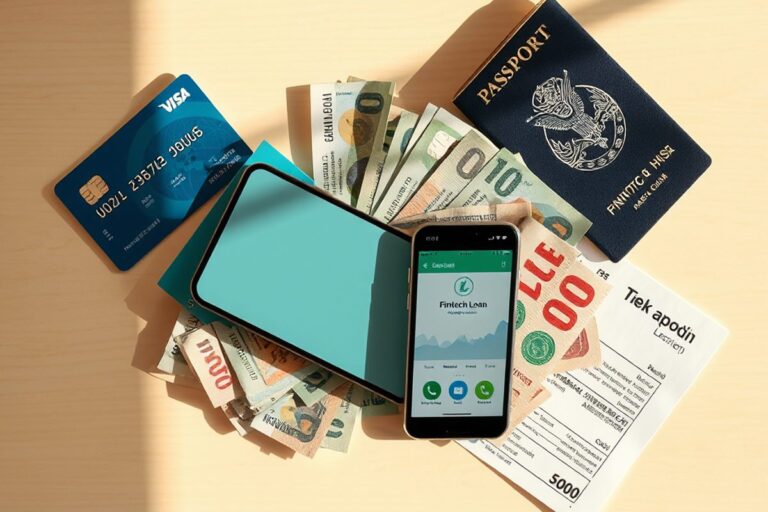
276,000 immigrants use fintech apps with foreign bank accounts. Open banking and identity verification now enable cross-border lending, though origination fees and KYC checks apply.

276,000 immigrants use fintech apps with foreign bank accounts. Open banking and identity verification now enable cross-border lending, though origination fees and KYC checks apply.

Fintech small business loans carry APRs of 14–99% versus 6.8–11% at banks. See when speed justifies the premium and when traditional lending wins.
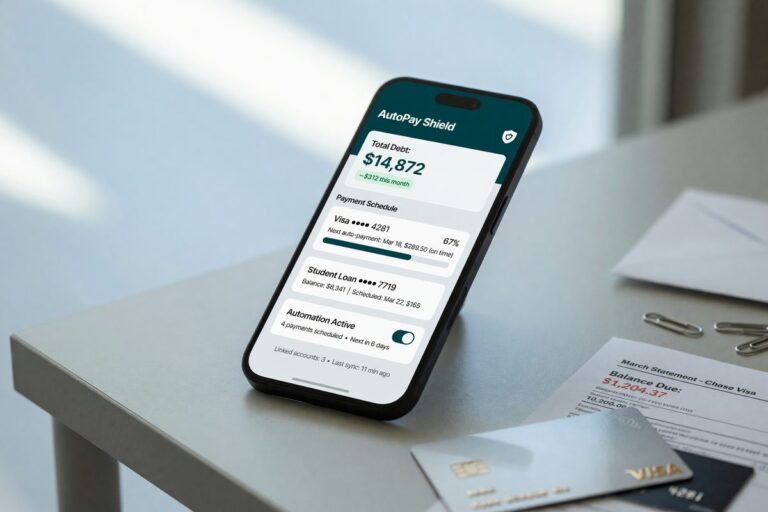
Automated fintech debt repayment pays off if you earn stable income and carry $5,000+ in debt—but app fees can erase savings faster than you think. See when it's worth it.

BNPL hit $156.7B in 2025 and earned wage access costs $1–$5 vs. 400% APR payday loans. See which fintech credit products match your actual cash problem.
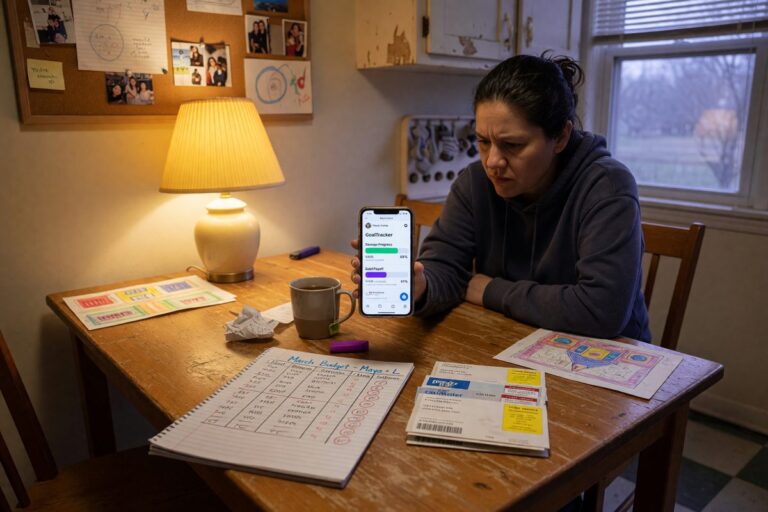
Only 55% of single parents have savings for emergencies. See how fintech tools let you build a starter fund and tackle debt simultaneously without erasing progress.

Payroll advances cost less for one emergency, but repeat users hit APRs over 100%. Personal loans win if you need $500+ or multiple advances yearly.
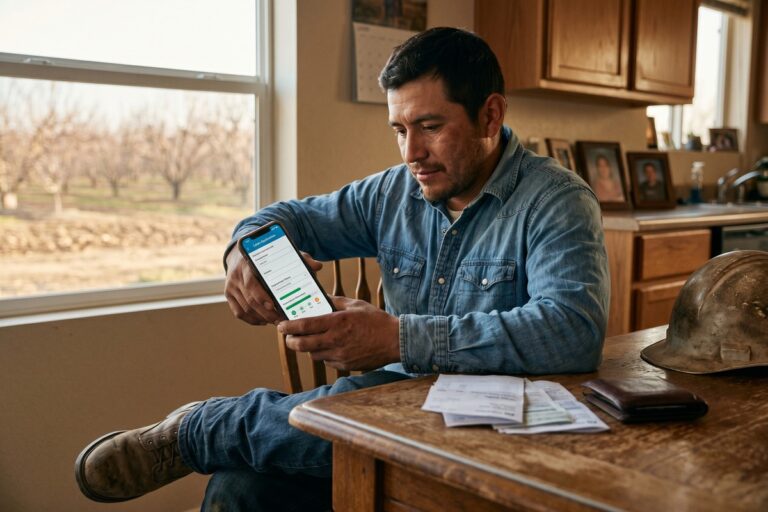
A 620 credit score and applying within 60 days of peak earnings can make or break your approval. Here's how timing—not creditworthiness—determines your odds.

Tally shut down in 2024, and balance transfer cards often beat fintech rates over 18 months. Here's what actually works for paying off credit card debt.

A $7.2 trillion market by 2030—embedded lending is reshaping how people borrow, skipping banks entirely through apps like Shopify and Uber.

Fintech algorithms cap most first-time borrowers at $10K–$15K, but a DTI below 36% and verified income can push your limit to $50,000 or more. Here's how the math works.