5 Hidden Fees That Can Double Your Personal Loan Cost (2026 Update)

Personal loan rates have climbed to 7.47% in 2026, but hidden fees can nearly double your cost. Learn how to avoid unexpected charges.

Personal loan rates have climbed to 7.47% in 2026, but hidden fees can nearly double your cost. Learn how to avoid unexpected charges.
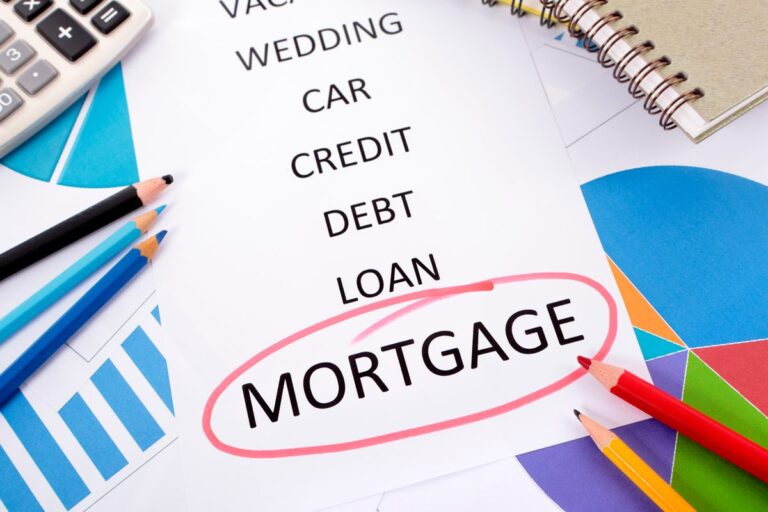
Borrowers with multiple loans above 11-13% APR can save real money by consolidating—but only if the new term doesn't stretch too long. See when the math works in your favor.
Debt consolidation or income investment? See which personal loan strategy wins when inflation climbs—and when a 11.40% rate actually makes sense.

Lenders approve DTI ratios up to 50%—even 75% online. Find out which hidden expenses silently tank your application and which assumptions cost you the most.

Fair-credit borrowers face 20%+ APRs on P2P platforms after fees, while credit unions offer rates 2–3 points lower than both banks and peer lenders.
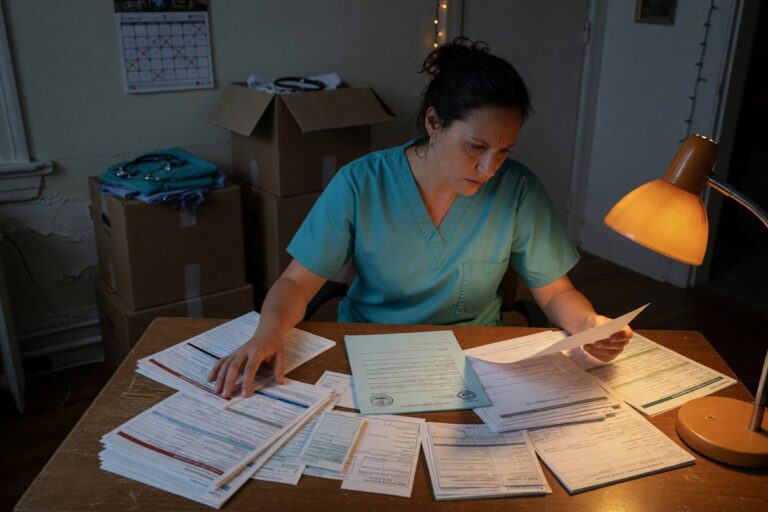
Nurses face $5,000–$15,000 in upfront licensing and relocation costs. See how personal loans bridge the gap before your first paycheck arrives.
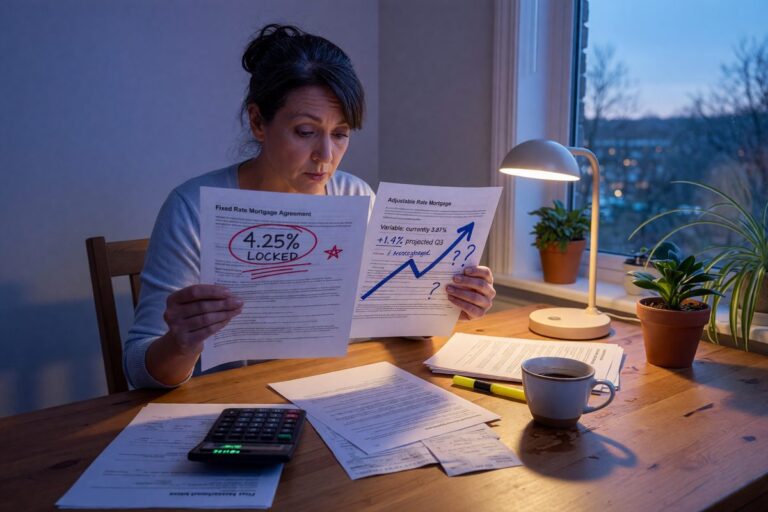
Fixed rates win for most borrowers—but locking in can backfire on 3-year loans if rates fall. See when variable actually makes sense.

Save $300+ annually on interest by setting aside $100/month for predictable expenses. See how the sinking fund budgeting strategy keeps you out of debt.
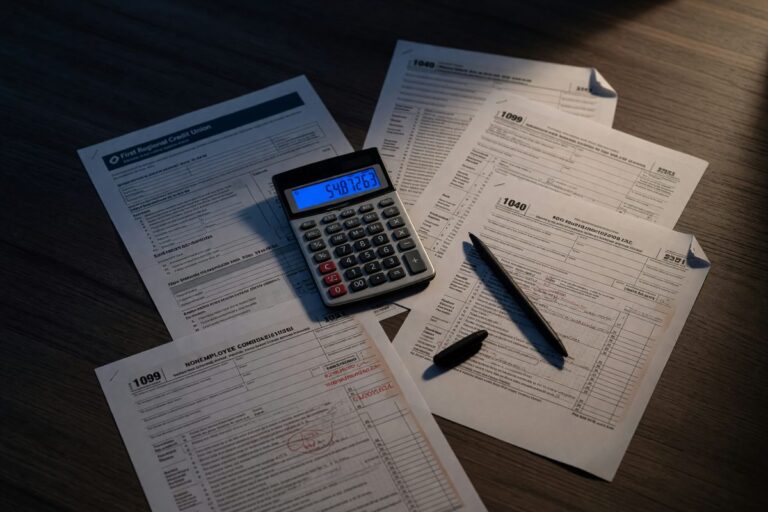
Self-employed borrowers with two years of tax returns and 3–6 months of bank statements qualify for the lowest personal loan APRs. See what lenders actually verify.
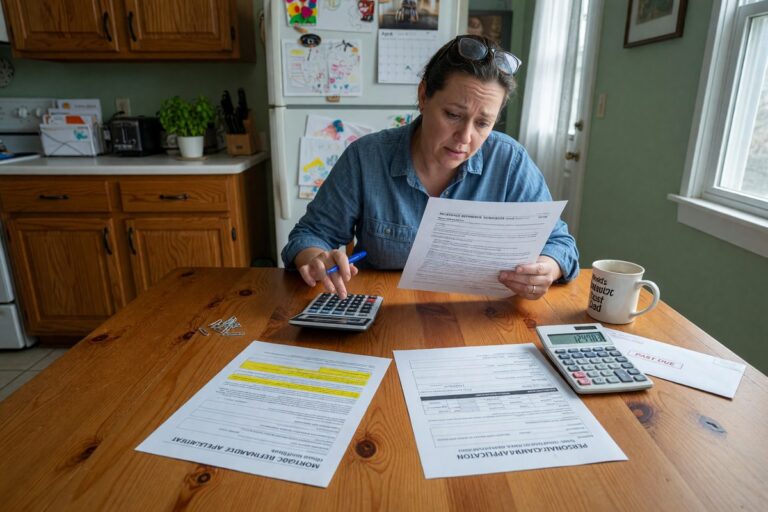
Personal loans fund in 1–7 days; cash-out refinances take 42+ days. Here's which option actually works for a financial emergency.