Renting vs Buying in Your 30s: How to Run the Numbers Before You Commit

Households earning $75K–$100K could afford only 21% of listings in early 2025. Here's how to use the price-to-rent ratio to decide if buying actually makes sense.

Households earning $75K–$100K could afford only 21% of listings in early 2025. Here's how to use the price-to-rent ratio to decide if buying actually makes sense.

Learn about assumable mortgage rates comparison. Discover when assuming a seller's loan beats today's new rates and how to qualify for this money-saving strategy.

On a $300,000 home, a 15-year mortgage saves $100,000–$150,000 in interest—but monthly payments run 40–50% higher. Here's how to weigh the real trade-off.

FHA and VA loans from 2020–2022 carry rates as low as 2.5%–3.5% — nearly half today's 6.8% average. Here's how assuming a seller's mortgage actually works.

A 0.50% rate misstep on a $400K loan costs $42,000 over 30 years. Here's how to time your mortgage rate lock—or know when to walk away entirely.

Putting down 20% or more can trim your mortgage rate by 0.125%–0.5% per pricing tier — here's how LLPAs translate your down payment into real interest savings.

A 0.25% rate bump after pre-approval can cost you $15,000 over 30 years. Here are five overlooked risks that push your mortgage rate up before closing.
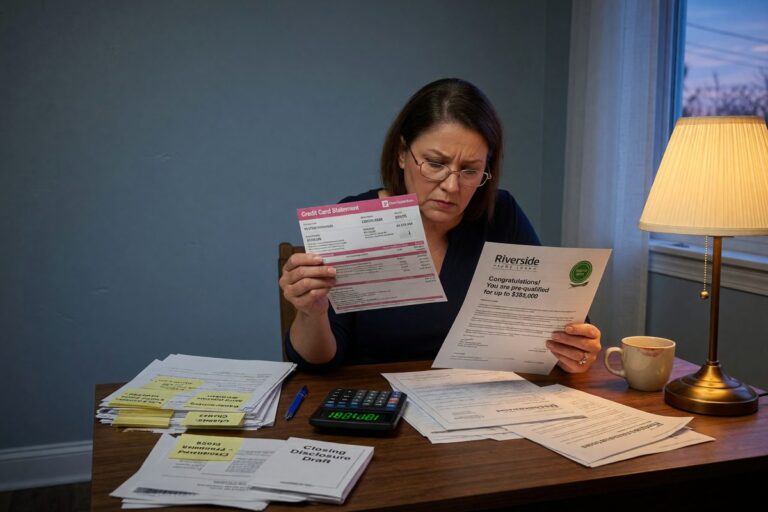
Consolidating high-interest debt before a mortgage application can lower your rate by improving DTI and credit utilization—even lenders price in 0.25% steps for modest credit improvements.

Bridge loans typically run 8.5%–12.5% annually—up to 4 points above prime. Here's what move-up buyers need to understand before juggling two closings.

Condo mortgage rates typically run 0.125%–0.75% higher than single-family loans — HOA instability and Fannie Mae eligibility rules explain exactly why.