How to Lock In a Low Interest Rate Before the Fed Moves Again

Mortgage rates are stuck in the mid-to-upper 6% range—act within your 30–60 day lock window now or risk paying hundreds more per month if the Fed moves rates higher.

Mortgage rates are stuck in the mid-to-upper 6% range—act within your 30–60 day lock window now or risk paying hundreds more per month if the Fed moves rates higher.

Top 1-year CDs are hitting 5.00% APY while the best high-yield savings accounts pay 4.75%—the right choice depends entirely on when you need the cash.

Fixed rates range from 8–36%, while variable rates start lower but risk rising. See which loan type matches your financial priorities.

A $5,000 card balance can cost over $1,000 a year in interest when APRs top 21%—here's exactly how Fed rate hikes push your credit card costs higher.

Variable-rate borrowers could see relief within 1–2 billing cycles after a Fed cut—but with $1.14T in U.S. credit card debt, not every borrower benefits automatically.

Homebuyers commonly lose tens of thousands by comparing rates wrong. Avoid focusing on advertised rates, skipping rate locks, and missing the 14–45 day shopping window.

Learn about mortgage and student loan rates. Discover smart strategies to manage both debts, prioritize payoff, and reduce total interest costs effectively.
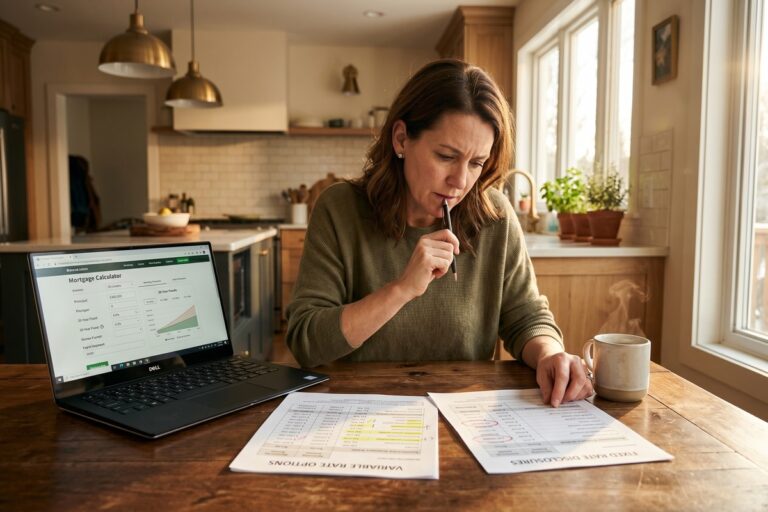
Fixed-rate home equity loans save thousands on large expenses; HELOCs win when you draw gradually or rates are falling. See which matches your timeline.

A $900,000 jumbo loan can carry an APR 0.25–0.50 points above a conforming suburban loan at the same nominal rate — here's why city buyers pay more than they think.

That 0%–3.99% intro rate can jump past 20% APR the moment the promo period ends. Here's what drives the spike and how to calculate your true loan cost before signing.