How a Job Gap in the Last Two Years Quietly Pushes Up Your Personal Loan Rate

A recent job gap typically raises personal loan rates by 1–5 percentage points or more. See when it's still worth applying and when the cost becomes prohibitive.

A recent job gap typically raises personal loan rates by 1–5 percentage points or more. See when it's still worth applying and when the cost becomes prohibitive.

Rocket Mortgage charges 0.25% for a rate lock float-down, while Chase has no upfront fee and PenFed charges $350. See which lender saves you the most money.

Mortgage rates swung nearly 0.75% in two months without any Fed move. Here's why bond market signals matter more than FOMC decisions.

Seasonal construction workers earning $84,000 over 7 months can qualify on $3,500/month averaged over 24 months. Learn how to lock competitive rates by applying in-season.

Single buyers need $115,454 annually to afford median U.S. homes—yet typical households earn $29k less. Here's how divorce reshapes mortgage math.
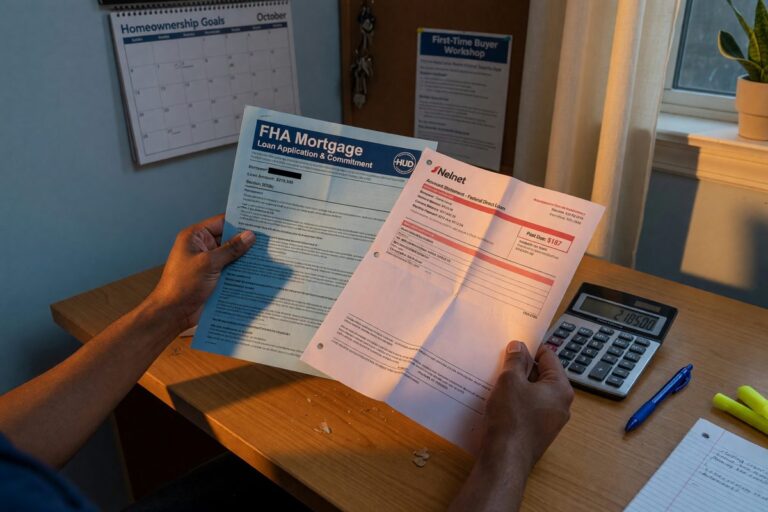
Deferred student loans count as $400/month in debt calculations for FHA mortgages, even with $0 payments. See how this affects your rate and approval.

First-time buyers can cut interest rates by 0.25–0.375% through credit score optimization, loan program selection, and comparing lender quotes—without a large down payment.

Insurance premiums in coastal markets jumped 25%+ since 2019, pushing borrowers' debt-to-income ratios above approval limits. How it reshapes affordability math.

With the Fed holding rates at 5.25–5.50%, lenders are enforcing DTI limits below 43% and credit score floors near 680. Here's what that means for your loan eligibility.

Variable rates run 0.50–0.75% below fixed right now—but that gap may close fast. Here's how hold period and cash flow should drive your rental refinance choice.