Zero-Based Budgeting vs Envelope Method: A Real Breakdown for Beginners

Zero-based budgeting cuts overspending by up to 30%, while envelope users trim discretionary spend 20% in 90 days. Here's which method actually fits your habits.

Zero-based budgeting cuts overspending by up to 30%, while envelope users trim discretionary spend 20% in 90 days. Here's which method actually fits your habits.
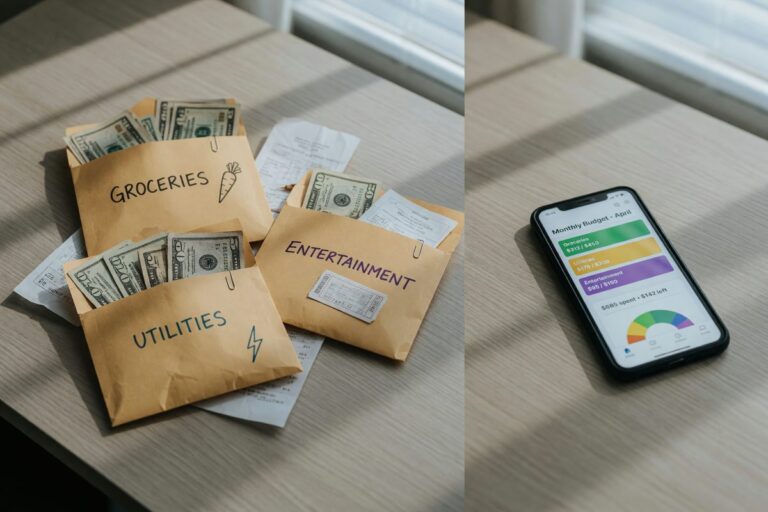
Cash envelopes create an irreversible spending stop for high-temptation categories, while budgeting apps win with irregular income and subscriptions. Here's how to pick.

Only 21% of homebuyers are first-timers. Personal loans can fill closing-cost gaps, but state down payment assistance and specific lenders like SoFi and LightStream offer better terms.

A hard inquiry drops your score 5–10 points at application, but on-time payments can rebuild it—while a missed payment can cost you 100 points or more.

A 0% intro APR beats a 12.31% personal loan—but only if you clear the debt in 12–21 months. Here's how to tell which option actually saves you more money.

Monarch Money hit 1M paid subscribers, YNAB added AI coaching, and Credit Karma Money replaced Mint. Here's how the biggest personal finance apps changed in 2026.

A single-income renter wiped out $28,000 in credit card debt in 18 months using the debt avalanche method, a 0% APR balance transfer, and zero-based budgeting.

A high school teacher faces 18.9% APR on a $28,000 home renovation loan despite a solid employment record and guaranteed pension. Pension-backed loans are gaining traction as traditional lenders undervalue public-sector workers.

Practitioners cut discretionary waste by up to 30% in 90 days using zero-based budgeting — a method that assigns every dollar a job before the month begins.

Learn about windfall money decisions. Discover smart strategies to pay off debt, grow investments, or build savings when unexpected money comes your way.