5 Mistakes People Make When Paying Off Credit Card Debt

With average APRs at 20.78%, these 5 credit card payoff mistakes can cost you thousands — from making only minimum payments to skipping creditor negotiations.

With average APRs at 20.78%, these 5 credit card payoff mistakes can cost you thousands — from making only minimum payments to skipping creditor negotiations.

37% of adults can't cover a $400 emergency. Start with $500 and a $25 weekly auto-transfer into a high-yield savings account — consistency matters more than amount.

The difference can reach tens of thousands of dollars — Roth wins if your tax rate rises in retirement, Traditional wins if it falls. Here's how to choose.
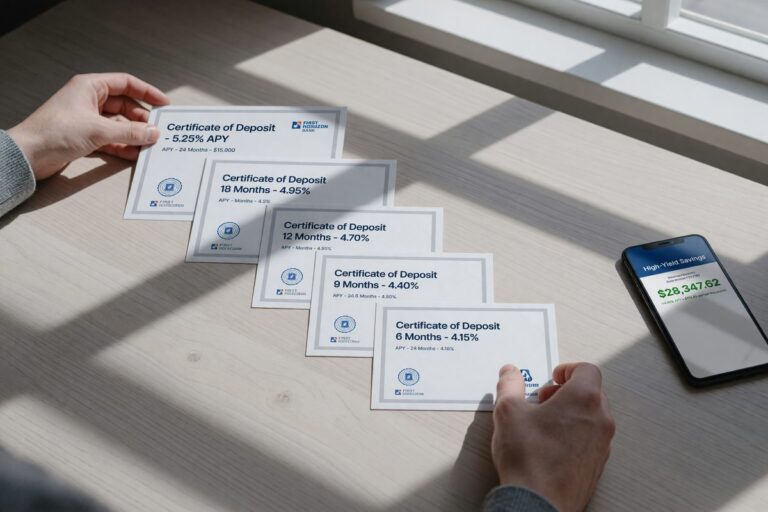
Top 1-year CDs earn 4.15% APY while high-yield savings average 0.38%. See why CD ladders lock in yields before Fed cuts, and which strategy wins over the next 12–24 months.

The average savings account pays just 0.46% APY—and fees, inflation, and tiered structures push your real return even lower. Here's what's quietly eating your earnings.

Over 360 million people use BNPL globally, yet most don't know the real terms. Here's how buy now pay later actually works—and where the risks hide.

Teachers earning $74K can tackle debt and build savings simultaneously—but only if debt payments stay under 20% of take-home pay and interest rates align in your favor.

Most lenders use soft pulls to pre-qualify you in under 60 seconds—without hurting your score. See exactly what they review before you apply.

37% of Americans can't cover a $400 emergency. Whether to save or pay off your personal loan early could cost or save you thousands — here's how to decide.

The average American carries $6,329 in credit card debt — these five unconventional strategies can redirect $200–$500 extra toward loan repayment within 30 days.