Beyond Personal Loans: Lesser-Known Fintech Credit Products That Solve Specific Cash Problems

BNPL hit $156.7B in 2025 and earned wage access costs $1–$5 vs. 400% APR payday loans. See which fintech credit products match your actual cash problem.


BNPL hit $156.7B in 2025 and earned wage access costs $1–$5 vs. 400% APR payday loans. See which fintech credit products match your actual cash problem.

Only 55% of single parents have savings for emergencies. See how fintech tools let you build a starter fund and tackle debt simultaneously without erasing progress.

Payroll advances cost less for one emergency, but repeat users hit APRs over 100%. Personal loans win if you need $500+ or multiple advances yearly.

43% of digital lenders now use cash flow, rent payments, and payroll data alongside credit scores. See how these alternative signals unlock approvals for credit-invisible borrowers.
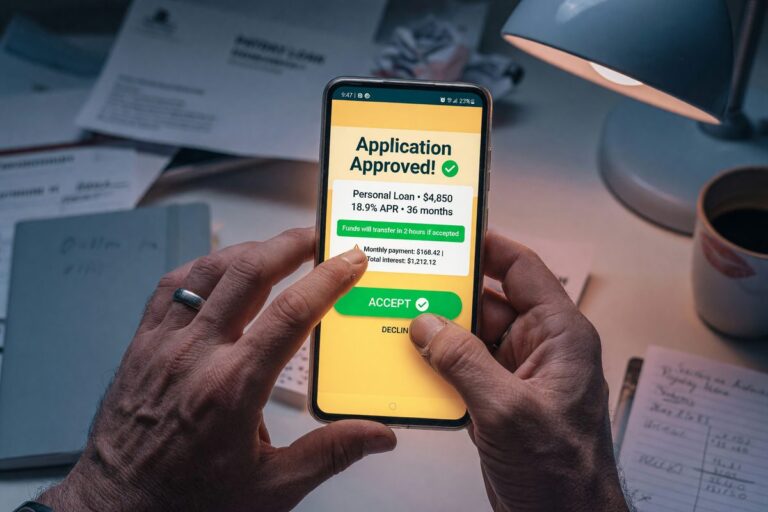
Mainstream lenders auto-deny recent bankruptcies, but secured products and credit unions with manual review still approve. See which platforms say yes and what rates to expect.
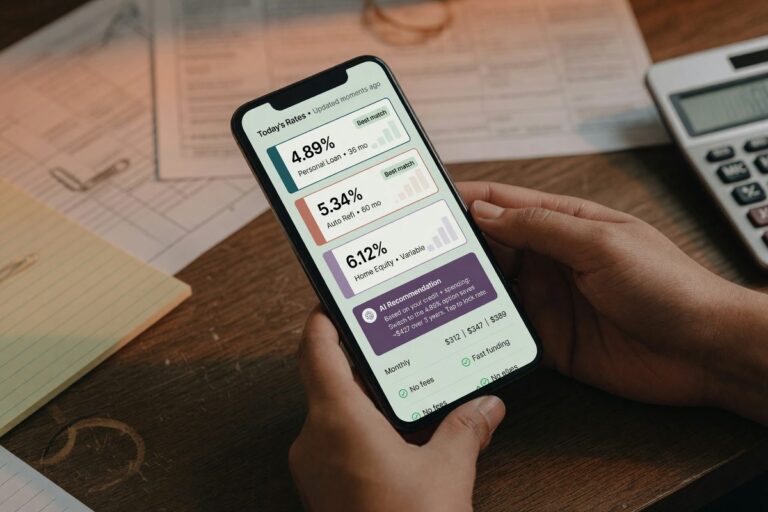
AI loan matching platforms deliver the biggest payoff for borrowers under 680 FICO or those comparing 10+ lenders at once. The real difference: whether you get genuinely different offers or just re-ranked duplicates.

Fintech lenders reject 60% fewer borrowers than banks by using payroll data instead of credit scores. See who benefits—and who still can't qualify.

Refinancing cuts your rate only if it drops 1-2%+ and you have 3+ years left. Origination fees up to 8% often erase monthly savings—here's how to do the math.

Lenders keep your financial data for at least 7 years after closing—and often sell it. Here's when to request deletion and how to protect yourself from marketing abuse.
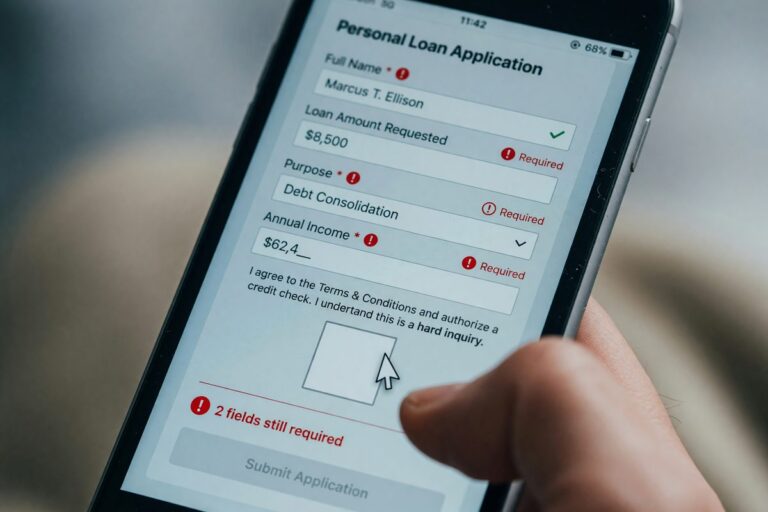
First-time borrowers with thin credit files lose more from pre-application errors than seasoned borrowers do. Here's what happens in those ten minutes before you click submit.