Same-Day Digital Loans vs Next-Day Funding: Which Platforms Actually Deliver on Their Promise

Fewer than 30% of approved borrowers actually receive same-day funds. See which platforms like LightStream, Upstart, and SoFi hold up under scrutiny.


Fewer than 30% of approved borrowers actually receive same-day funds. See which platforms like LightStream, Upstart, and SoFi hold up under scrutiny.

A $7.2 trillion market by 2030—embedded lending is reshaping how people borrow, skipping banks entirely through apps like Shopify and Uber.

Learn about debt to income digital lending. Discover how your DTI ratio affects online loan approvals and what you can do to improve your chances.

Fintech algorithms cap most first-time borrowers at $10K–$15K, but a DTI below 36% and verified income can push your limit to $50,000 or more. Here's how the math works.

Newlyweds borrowing jointly can qualify for up to $100,000 with approval in 24–48 hours. Here's how combined credit profiles and co-borrower apps actually work.

Banks reject multi-property landlords despite positive cash flow. Fintech platforms approve in 24-10 days, use rental income for underwriting, and require no property lien—letting you renovate and raise rents while keeping equity intact.

Fintech installment loans average 11–13% APR vs 21.5% for revolving credit—here's why the loan wins for repairs over $5,000 and the credit line wins under.

Taking two loans within 30–90 days can trigger recalls, account freezes, or permanent bans—real-time data networks catch it faster than most borrowers expect.

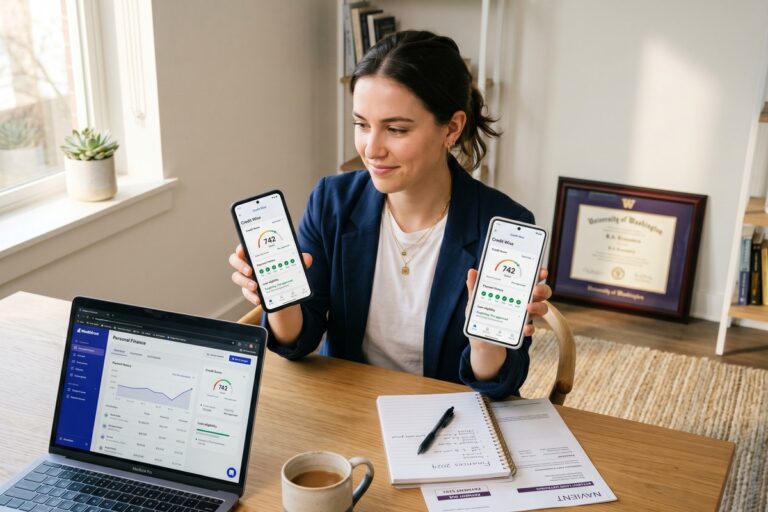
26 million Americans have no scoreable credit history—here's how fintech lenders are using real bank transaction data to approve loans traditional scoring would reject.
Recent grads with $37K+ in student loans can qualify for personal loans in 30–60 days using income-based underwriting apps and AI-powered lenders that bypass traditional credit scores.