How Nurses and Teachers Can Use Profession-Based Programs to Lower Their Mortgage Rate

Nurses and teachers can cut their mortgage rate by 0.25%–0.50% or land up to $10,000 in down payment grants through programs like HUD's Good Neighbor Next Door.

Nurses and teachers can cut their mortgage rate by 0.25%–0.50% or land up to $10,000 in down payment grants through programs like HUD's Good Neighbor Next Door.

Condo mortgage rates typically run 0.125%–0.75% higher than single-family loans — HOA instability and Fannie Mae eligibility rules explain exactly why.

Lenders require a 24-month history before side income counts toward your mortgage — without it, that extra money is invisible to underwriters and won't lower your rate.

Rural property buyers missing USDA loan eligibility could be paying 1.5% more in interest—costing tens of thousands over the loan term. Here's what you need to know.
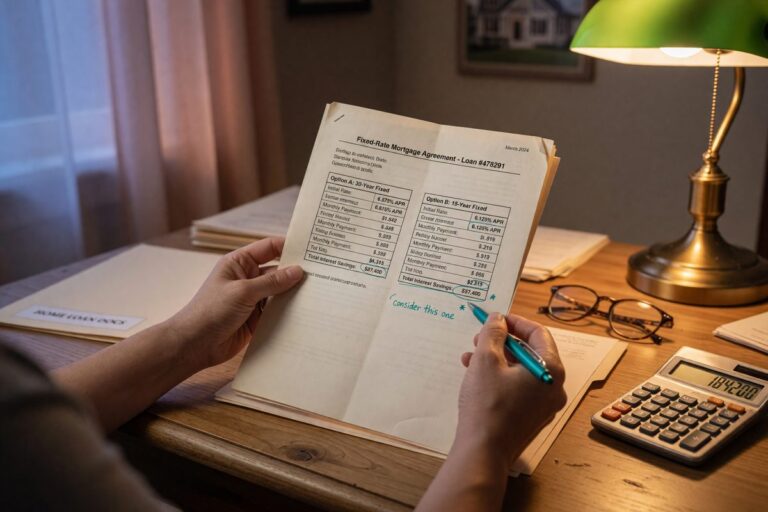
Fixed-rate mortgages shield retirement budgets from payment shock, while ARMs can spike 30–50% under lifetime caps. See which structure fits your fixed income.
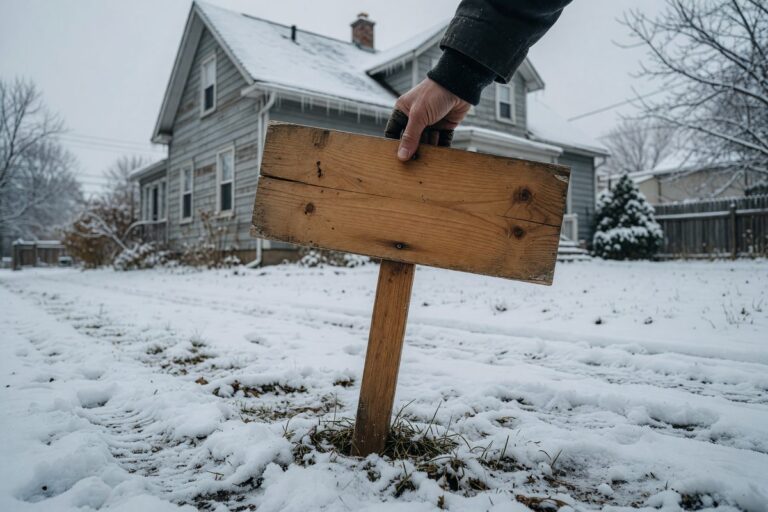
Winter homebuyers lock in 0.125%–0.25% lower mortgage rates on average, plus 4–8% cheaper home prices. See how seasonal timing and Freddie Mac data prove the edge is real.

Bond markets move multiple times daily, and your mortgage rate quote can vanish within hours without a formal lock. A 0.125% rate increase costs $900 more on a $300k purchase—here's how to protect yourself.

Most widowed homeowners can preserve sub-4% rates through loan assumption instead of refinancing—no credit check or income verification required. Here's when it works.

At 6%+ rates, a 15-year mortgage saves $263,000 in interest but costs $728 more per month. See the trade-offs and find your optimal term.
Save $12,000 in the first five years with an interest-only mortgage—but only if the rate premium stays below 0.5% and you invest the payment difference.