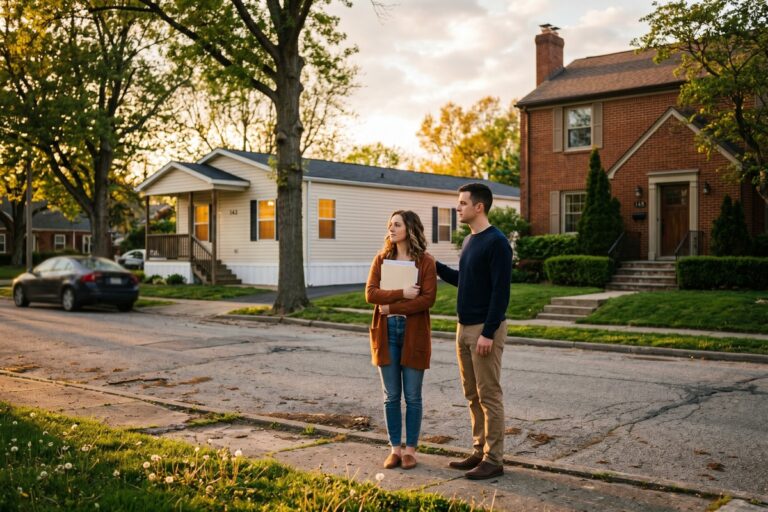
What Happens to Your Mortgage Rate When You Buy a Fixer-Upper

Fixer-uppers typically carry rates 0.25%–1.0% above standard loans. Here's what drives that premium and how renovation loans can help you close the gap.

Fixer-uppers typically carry rates 0.25%–1.0% above standard loans. Here's what drives that premium and how renovation loans can help you close the gap.

VA loan rates average 6.4% vs. 6.8% for conventional loans—plus no down payment or PMI. Here's what eligible veterans need to qualify and how much they can save.

Mortgage rates can differ by 0.50% to 1.00% or more from state to state—costing borrowers thousands extra. Here's what drives the gap and how to fight back.

Townhomes can carry 0.25%–0.75% rate penalties depending on legal classification. Fee-simple townhomes avoid charges, but condo-classified ones trigger Fannie Mae adjustments.

Learn about builder offered mortgage rates. Discover how new construction buyers overpay, miss better deals, and avoid costly mistakes with builder lender incentives.

16 million self-employed Americans get rejected by conventional lenders despite solid finances. Here's exactly who non-QM mortgages are built for—and when the higher rate is worth it.

Learn about single income mortgage rates. Discover proven strategies to strengthen your application and secure a competitive rate on one income.

Self-employed borrowers can qualify for mortgages without W-2s using tax returns, bank statements, and P&L statements. Expect rate premiums of 0.25%–1.5%, reducible with a 740+ credit score and 20% down.

Learn about multiple properties mortgage rate. Discover the key pricing mistakes multi-property borrowers make and how lenders really calculate your next rate.

Condo buyers quietly pay 0.25%–0.75% more in mortgage rates due to Fannie and Freddie LLPAs—a penalty that never appears as a line item on your loan estimate.