680 vs 740 Credit Score: How 60 Points Saves $20,000 on Your Mortgage
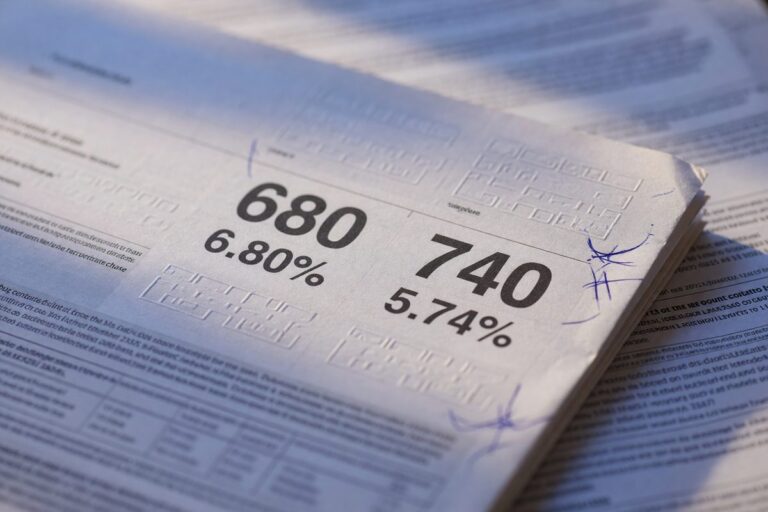
A 60-point credit score jump from 680 to 740 cuts your mortgage rate by 0.25–0.35%, saving $50–$65 monthly and over $20,000 across the loan term.

A 60-point credit score jump from 680 to 740 cuts your mortgage rate by 0.25–0.35%, saving $50–$65 monthly and over $20,000 across the loan term.
Secure today's rate 60–90 days before making an offer with Lock & Shop programs. First-time buyers protect against rate spikes and strengthen offers in competitive markets.

Specialized healthcare worker mortgage rates save money only if the rate is within 0.25% of conventional loans and you qualify for at least $5,000 in grants. See when they don't pencil out.

Gig workers pay 125–300 basis points above standard rates because lenders struggle to verify inconsistent income. Here's what changed in early 2025.

Tiny home buyers typically pay 8%–14% in financing costs — 1–3 points above standard rates — because most lenders won't classify them as conventional real property.

One percentage point in LTV can shift your mortgage rate by up to 0.75% — here's exactly where Fannie Mae's pricing tiers fall and how to land on the right side.

Rates have dropped from 7.79% to near 6.7% — but waiting for a lower bottom may cost you more than locking in now. Here's how to time your move wisely.

A 5–10% appraisal gap can add 0.25–0.75 points to your mortgage rate by pushing your LTV into a higher risk tier—often after you've already set a closing date.

A permanent 1-point rate cut saves roughly $57,000 more than a 3-2-1 buydown over 30 years on a $400,000 mortgage—but the buydown wins on short-term cash flow.

Immigrant mortgage rates run 0.25–0.75 points above standard rates, but foreign credit reports and ITIN programs can close the gap. Here's what lenders actually require.