No Origination Fee Loans Worth It? When the Trade-Off Actually Makes Sense

No origination fee loans make sense if your credit score hits 720 and you lock in under 10.5% APR. Below 680 or planning quick repayment? Skip them.

No origination fee loans make sense if your credit score hits 720 and you lock in under 10.5% APR. Below 680 or planning quick repayment? Skip them.

Repeat homebuyers averaged 6.35% mortgage rates versus 6.44% for first-timers. Credit scores and down payment size, not special discounts, drive the gap.

High-interest credit card debt at 20%+ costs more than a larger down payment saves. Paying it off first can boost your credit score and cut your mortgage rate by 0.25–0.50 percentage points.
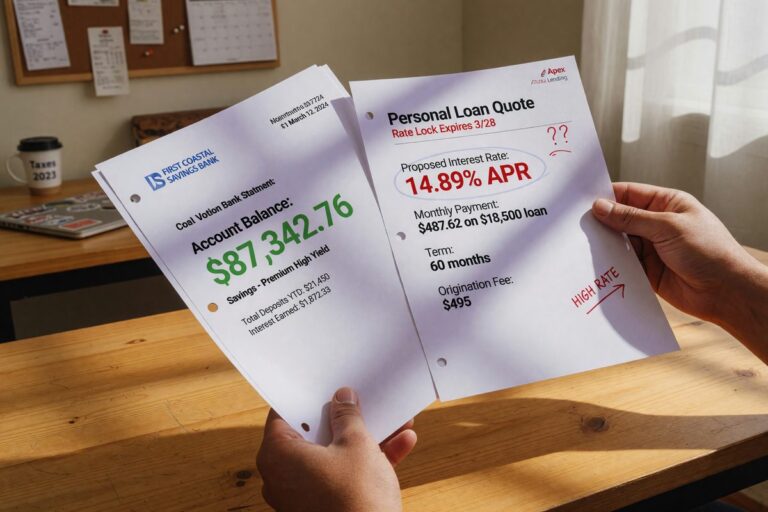
A $75,000 savings account won't lower your rate if your credit score is 640. Lenders ignore cash reserves entirely—here's what actually drives loan pricing.
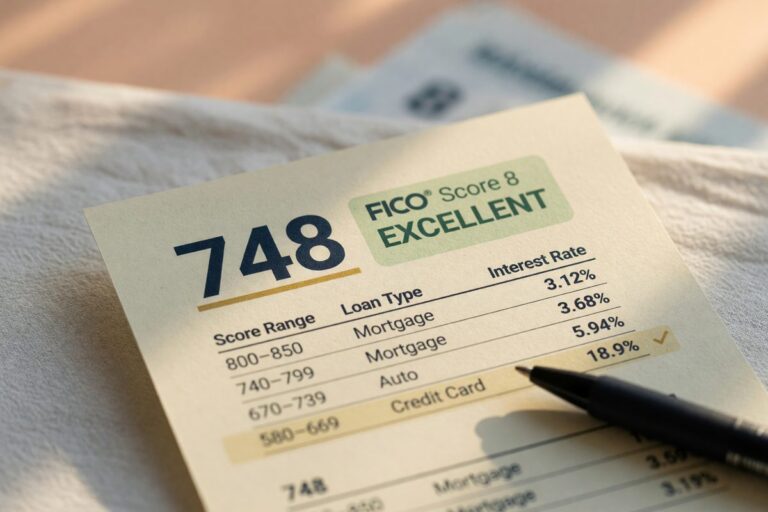
A 20-point credit score jump can save thousands on mortgages and auto loans—but only if it crosses a pricing tier. See where the payoff peaks and where it flattens.
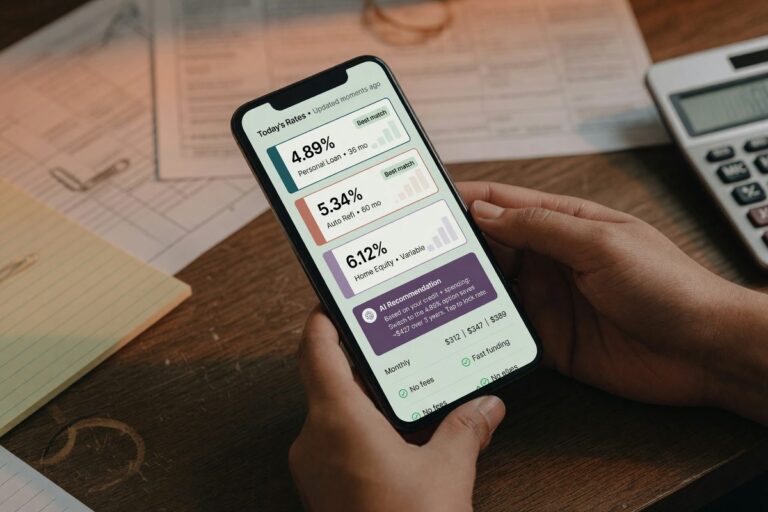
AI loan matching platforms deliver the biggest payoff for borrowers under 680 FICO or those comparing 10+ lenders at once. The real difference: whether you get genuinely different offers or just re-ranked duplicates.
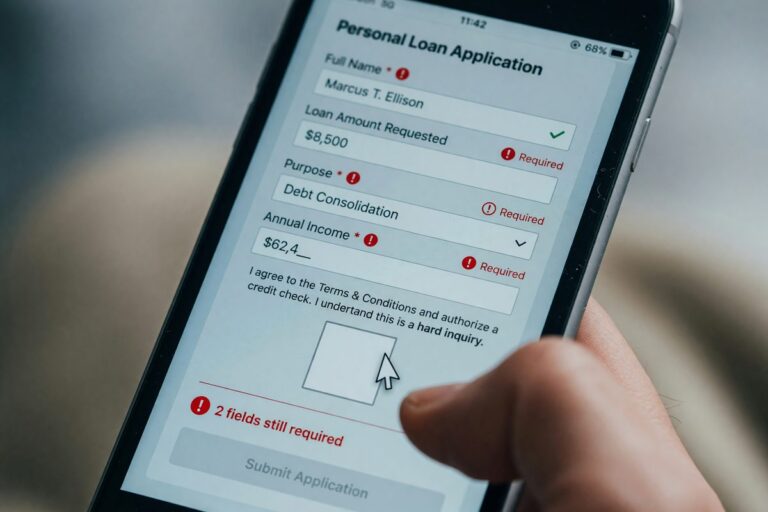
First-time borrowers with thin credit files lose more from pre-application errors than seasoned borrowers do. Here's what happens in those ten minutes before you click submit.

A 660 vs. 760 credit score gap on a $378,000 joint mortgage can cost over $56,000 extra in interest. Here's how lenders set the rate and when applying solo makes sense.

A short sale can drop your credit score 100–150 points and trigger a 2–7 year wait for a conventional loan. Here's how those two penalties stack to raise your rate.

Fintech algorithms cap most first-time borrowers at $10K–$15K, but a DTI below 36% and verified income can push your limit to $50,000 or more. Here's how the math works.