680 vs 740 Credit Score: How 60 Points Saves $20,000 on Your Mortgage
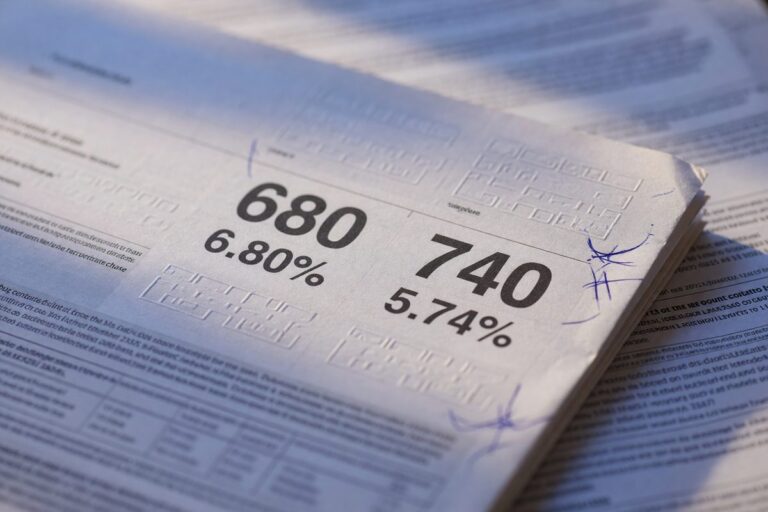
A 60-point credit score jump from 680 to 740 cuts your mortgage rate by 0.25–0.35%, saving $50–$65 monthly and over $20,000 across the loan term.

A 60-point credit score jump from 680 to 740 cuts your mortgage rate by 0.25–0.35%, saving $50–$65 monthly and over $20,000 across the loan term.
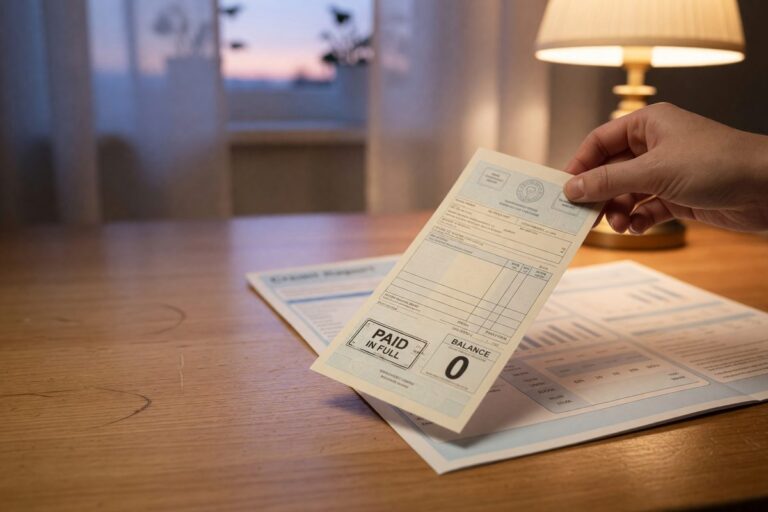
Paying off a collection won't boost your mortgage rate right away. FICO 8 treats paid and unpaid collections identically, and it takes 30–90 days for updated status to reach lenders.

450,000+ people released from prison in 2023 face immediate financial barriers. Fintech platforms bypass traditional credit checks and build usable credit scores in 6 months or less.

Divorce decree doesn't bind creditors. Use fintech debt splitting tools to move joint balances without hard inquiries and avoid the 50–100 point credit score drop.

First-time buyers can cut interest rates by 0.25–0.375% through credit score optimization, loan program selection, and comparing lender quotes—without a large down payment.

Borrowers with 720+ credit scores and low debt-to-income ratios routinely land personal loan rates in the 6%–9% range — well below the 12.37% national average. Here's why.

A secured card, an authorized-user account, and rent reporting can move your credit score 40–100 points in a year. Here's how stay-at-home parents are doing it.

Borrowers two years past Chapter 7 discharge pay $25,000+ extra in interest on a $250K mortgage. See how bankruptcy affects your rate and when the penalty drops.

Borrowers with no credit history gain an average of 60 points and build $253 in savings through fintech credit builder loans, with fees as low as $46 over 24 months.

Freelancers can reach meaningful credit score improvements in 6–12 months without W-2 income using secured cards, credit-builder loans, and rent reporting. Here's the playbook.