AI-Powered Credit Scoring: What Fintech Lenders See That Banks Still Miss

Fintech lenders using AI underwriting approve 27% more thin-file applicants by reading 1,000+ data signals FICO never considers — here's exactly what they see differently.

Fintech lenders using AI underwriting approve 27% more thin-file applicants by reading 1,000+ data signals FICO never considers — here's exactly what they see differently.

The embedded finance market hit $138B in 2025 and is headed to $588B by 2030 — here's how faster credit access, contextual loans, and new privacy risks affect you.

Approval in as little as 24 hours and up to $100,000 — fintech platforms are giving the 18.6 million U.S. veteran homeowners faster options the VA loan system doesn't always cover.

Self and Kikoff report to all three credit bureaus and achieved 99.2% on-time payment rates in 2025. Keep utilization under 10% with automated budgeting tools to accelerate credit building.

Retirees with variable income see 38% higher approval rates on fintech platforms versus traditional banks, with closings in 11 days instead of 38.

Fintech lenders now set your rate in seconds using live data — strong borrowers may see 7.99%, while thin profiles can pay 10–15 points more. Here's how to prepare.
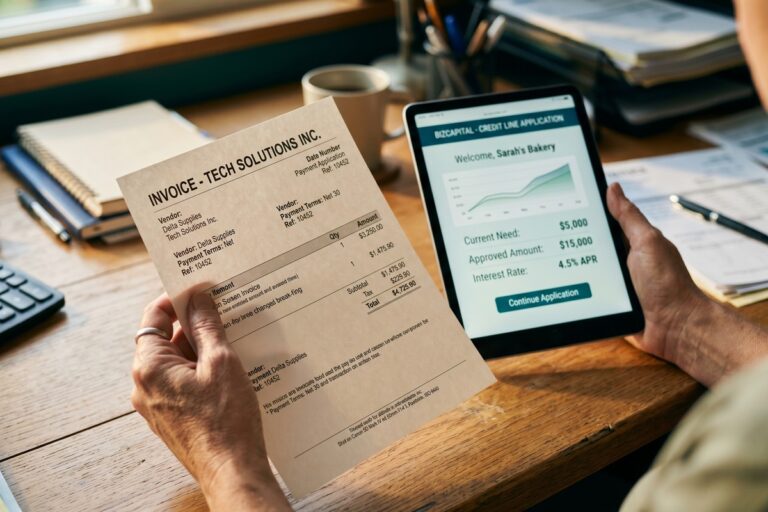
Fintech credit lines fund in 24 hours; factoring advances cash in 24–72 hours. Match your cash flow fix to the real problem: operating gaps or slow-paying customers.

Staggered loan due dates cut missed-payment risk by 15–30%. Map your income calendar, request free due-date shifts, and stop multiple auto-drafts from draining your account.
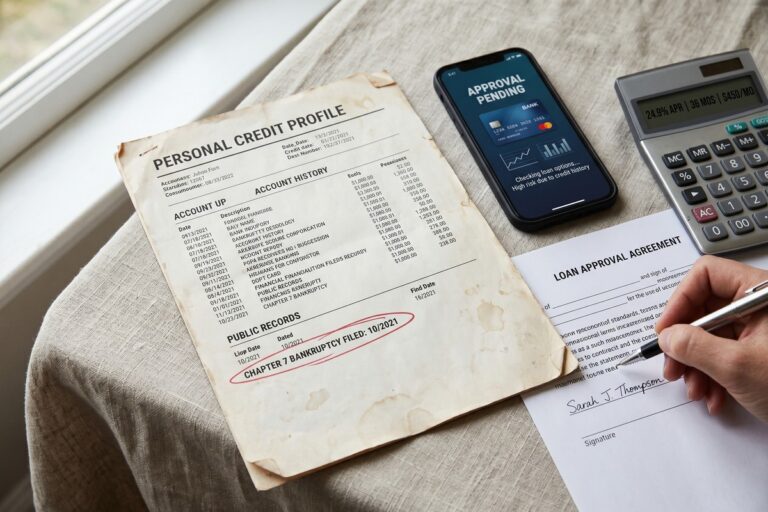
Nearly 500,000 people filed for bankruptcy in 2024. Banks won't lend to them—but fintech lenders use AI and alternative data to approve post-bankruptcy borrowers traditional banks decline.

First-time flippers without a track record often qualify easier with hard money lenders. Fintech platforms demand proof of 5+ completed projects but close faster.